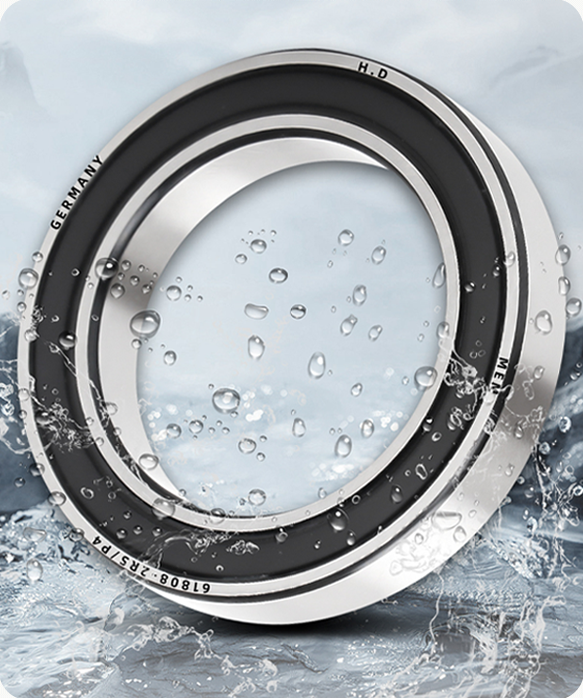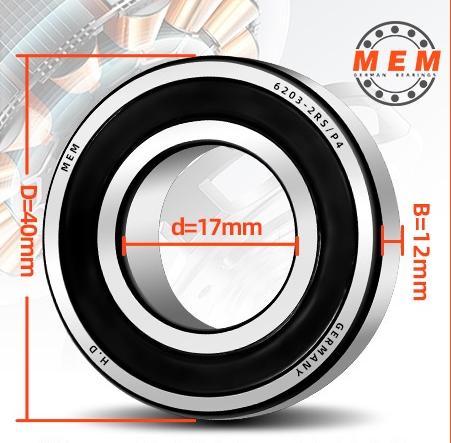
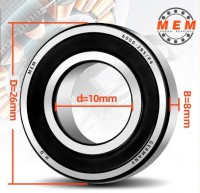
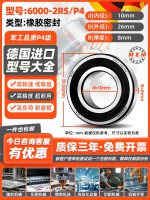
Rubber bearings are mechanical connection components composed of rubber and other materials. They mainly undertake the functions of supporting, vibration reduction, and force transmission for equipment components. Their typical structure consists of a rubber body and a metal connection sleeve, achieving axial positioning and adjustable fixation through technologies such as snap-fit protrusions and insertion slots. A patent disclosed in 2024 shows that modern rubber bearings generally adopt a molding process, combined with a spring locking mechanism and a rotating insertion component, effectively enhancing wear resistance and maintenance convenience.
Specifically:
1) The rubber bearing component for vibrating conveyors uses a rotatable connection sleeve to distribute the force, and the spring locking mechanism simplifies maintenance.
2) The movable connection type rubber bearing uses a rotating insertion component to achieve quick disassembly and assembly. This product is widely used in vibrating conveyors, axial flow pumps, and other equipment, and the copper sleeve rubber liner structure is particularly widely used in the shipbuilding industry.